Day hike to Tayrona National Park from Santa Marta, Colombia
Tayrona National Park
Located in the Caribbean coast near the city Santa Marta, Colombia, Tayrona National Park is one of the most famous natural parks in the country and an absolute paradise. The park covers an area of about 150 square kilometers and is part of the area where the Tayrona Indigenous people used to live. This park is home to a large range of exotic plants and animals, with its rare mix of jungle, mountains, and beaches all in one place. The classic hiking itinerary, El Zaino to Cabo San Juan, which I will present to you, allows you to experience some of the most beautiful views the Tayrona Park offers.

How to go to Tayrona National Park from Santa Marta
The park has three land entries. Depending on where you want to go inside the park, each entry serves a different purpose. El Zaino is by far the most popular one and the one you will most likely use to access the park. If you go by car, it takes about 45 minutes from Santa Marta.
You can also get there by bus. At the Mercado Público (public market), you will usually find buses going in the direction of Palomino, Riohacha, or simply marked Tayrona or El Zaino. They usually pass every 20 to 30 minutes. If you tell the driver you are going to “Parque Tayrona” or “El Zaino”, they will drop you directly at the park entrance.
From what I remember, we paid around 10,000 COP per person in 2025. I have gone both by car and by bus, and unless you are in a large group or already planning a road trip in the next days, it is probably not worth renting a car just to go there.
Day hike from El Zaino to Cabo San Juan

Cabo San Juan, Tayrona Park
Arrival and practical information
At the entrance of the national park, you will need to pay an entry fee that changes depending on the season (high or low) and your nationality. You will also need to pay for mandatory medical insurance, which is usually very affordable. If you arrive by car, there is an additional parking fee.
It is important to arrive early, as the park can get very busy. Waiting times at the entrance can easily range from 30 to 60 minutes, especially during peak hours.
Keep in mind that the park occasionally closes on specific dates due to agreements between the government and local communities. Always check the official park website before planning your visit to avoid any surprises. For the Zaino entrance, access is generally allowed from 7 a.m. to 12 p.m., and exit is between 2 p.m. and 5 p.m. Make sure to plan your hike accordingly.
Food inside the park tends to be more expensive, and dining options are limited and spread out. It is highly recommended to bring your own snacks, sandwiches, and plenty of water if you want to save money. Also, don’t forget to wear sunscreen and use mosquito repellent, as both are essential in the park.
Another important point is that you cannot pay by card inside the park, so bring enough cash for the day. Mobile signal is also unreliable or nonexistent in most areas.
For the most up to date information, always refer to the official park website before your visit.
The itinerary
Once you are inside the park, I recommend taking the shuttle bus that goes to the parking area if you did not arrive by car. It will save you at least 30 minutes of walking and costs around 10,000 COP per person. The hike truly begins at the Cañaveral parking area, where the main trails start.
Although I didn't really use AllTrails for this hike, and you probably won't need to either because the path is very straightforward, I'll leave the link here.


Getting from the Cañaveral parking area to Cabo San Juan and back usually takes about 3 to 4 hours of walking in total (around 12.2 km with 205 m of elevation gain). However, the scenery is so beautiful that you will likely stop often to take photos, and you will also pause for lunch and breaks along the way. For this reason, it is more realistic to plan for 6 to 7 hours overall. Even though the distance and elevation are not particularly extreme, the heat and humidity can make the hike feel much more demanding than expected.

Cabo San Juan is the most popular destination in the park. On the way there, you will pass by some incredibly beautiful beaches such as Cañaveral, Arrecife, and La Piscina. In my opinion, these places are even more beautiful and enjoyable than Cabo San Juan itself.

Cabo San Juan, Tayrona Park

Trail at the beginning of the hike

Playa Cañaveral, Tayrona Park
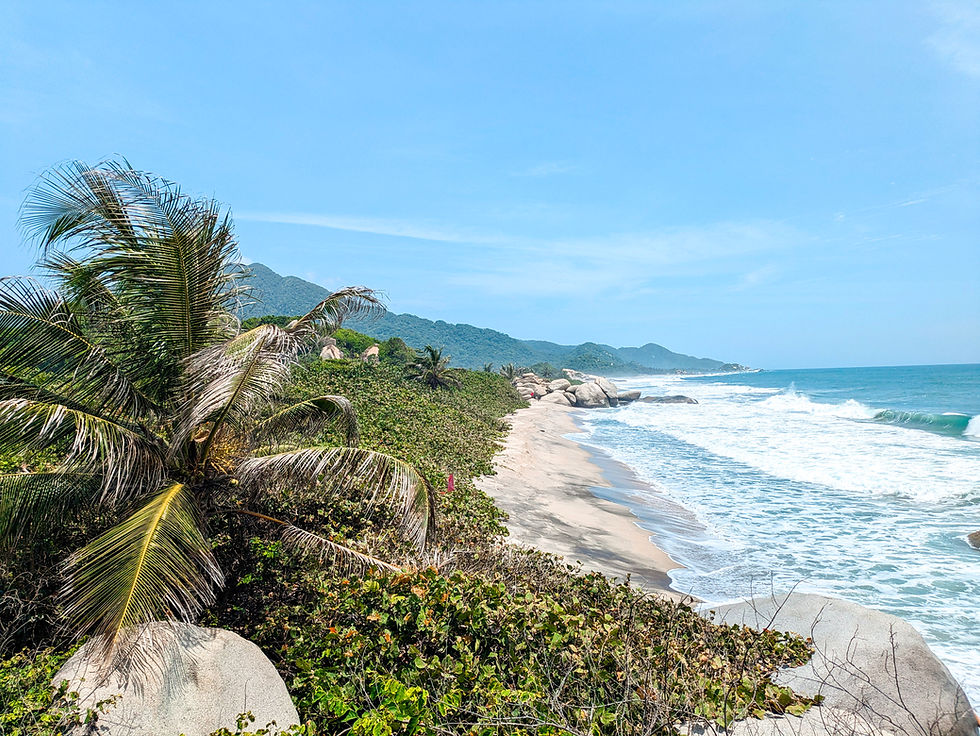
Playa Arrecife, Tayrona Park


Tayrona Park drone shot
Beyond the beaches, the hike takes you through a wide variety of landscapes, from mangroves to humid and dry forest, making the experience very immersive.


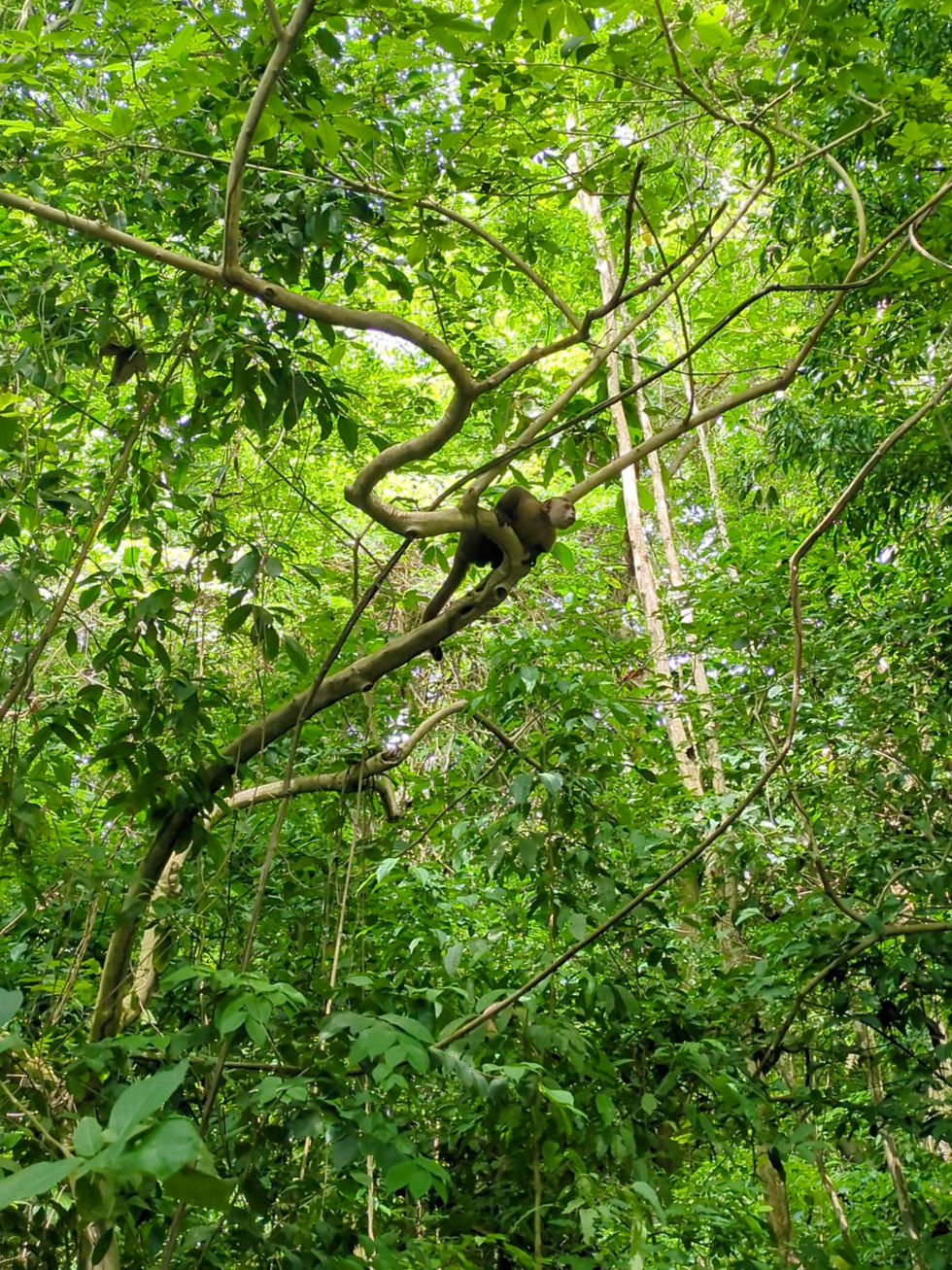
If you are lucky, you may also spot Titi monkeys, crabs, and many other animals native to the area.
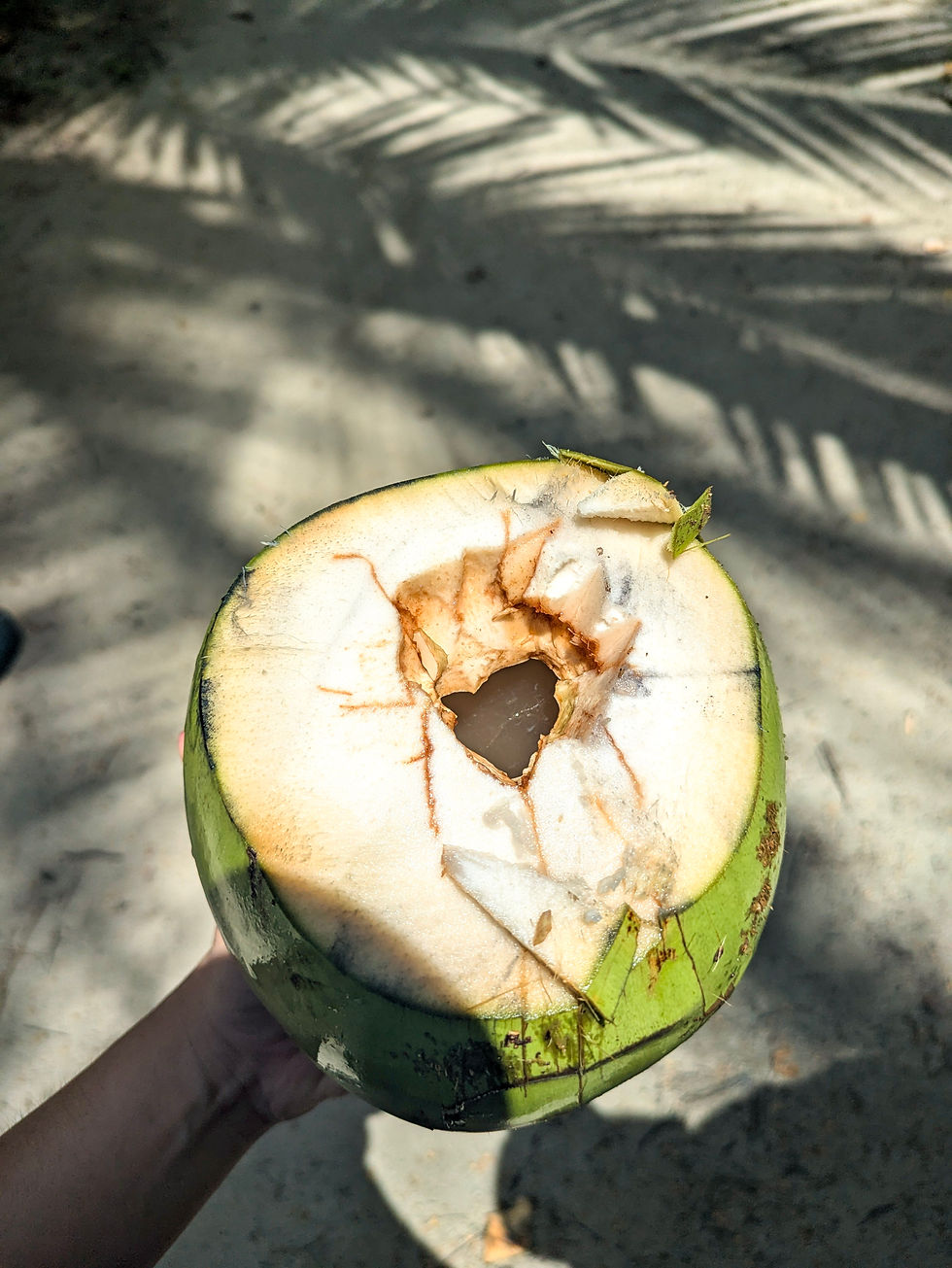
You may also find people selling coconut water, or “agua de coco” that you will be able to drink straight from the coconut. Make sure you try it, it tastes delicious and will give you energy to continue your hike. It is usually Indigenous people who live in the park who sell the water, so I am not sure whether this has a positive or negative impact on them.

This is a hike I have done twice, once in 2021 and once in 2025, and sadly you can see the difference. Unfortunately, you will see more and more tourists, and with them more stores and more trash, which is incredibly sad. This place is absolutely magical, so let’s make sure to take care of it so it can continue to be enjoyed by generations to come.

If you are interested in nature, you may also want to check out my post about a day trip to Minca from Santa Marta.



Comments